Lead Beyond Your Boundaries
We empower leaders with essential tools to navigate change, conflict, and crisis.
A polarized and crisis-prone world needs people to grow into better versions of themselves—to see themselves as leaders and act accordingly.
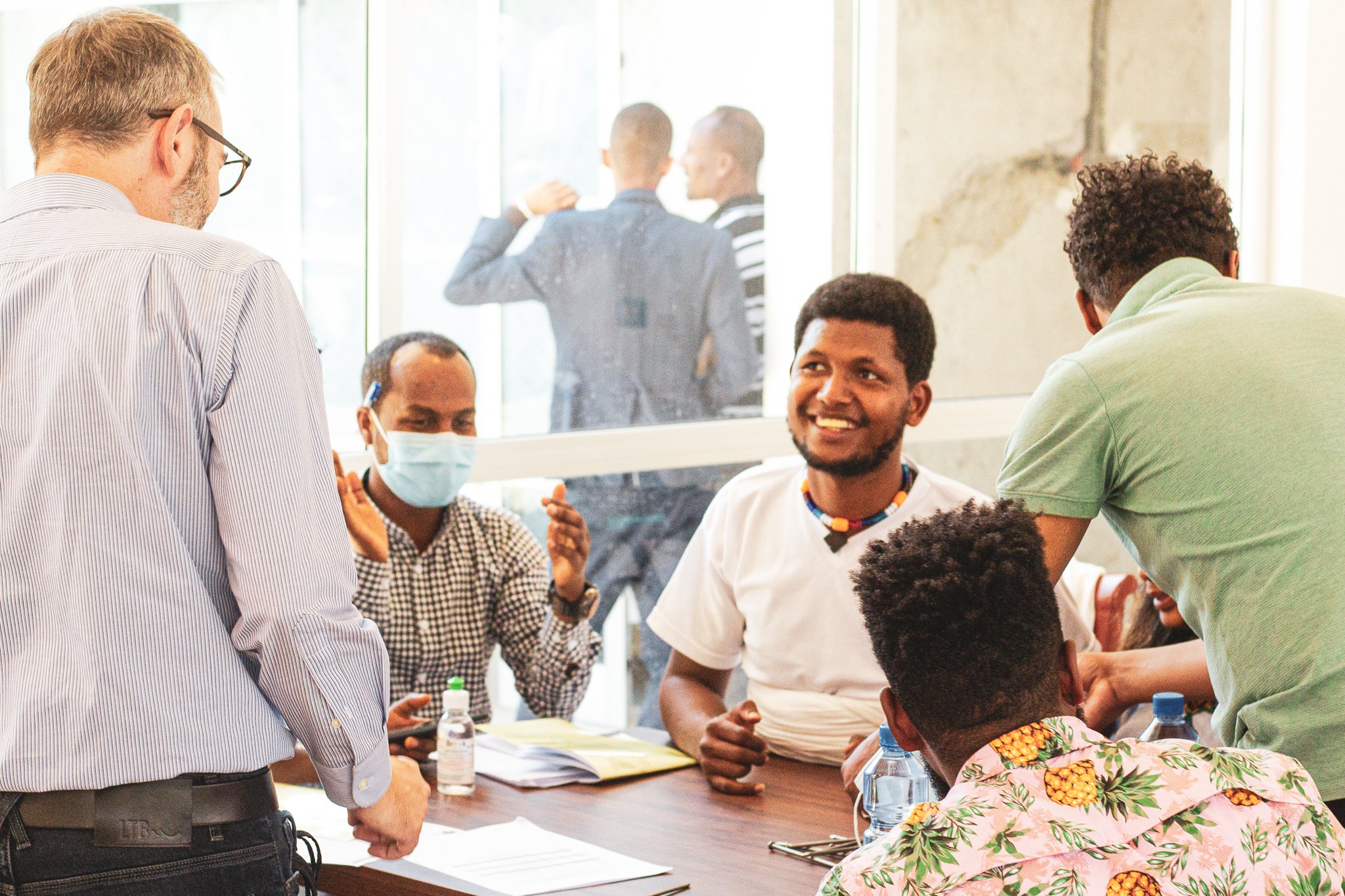
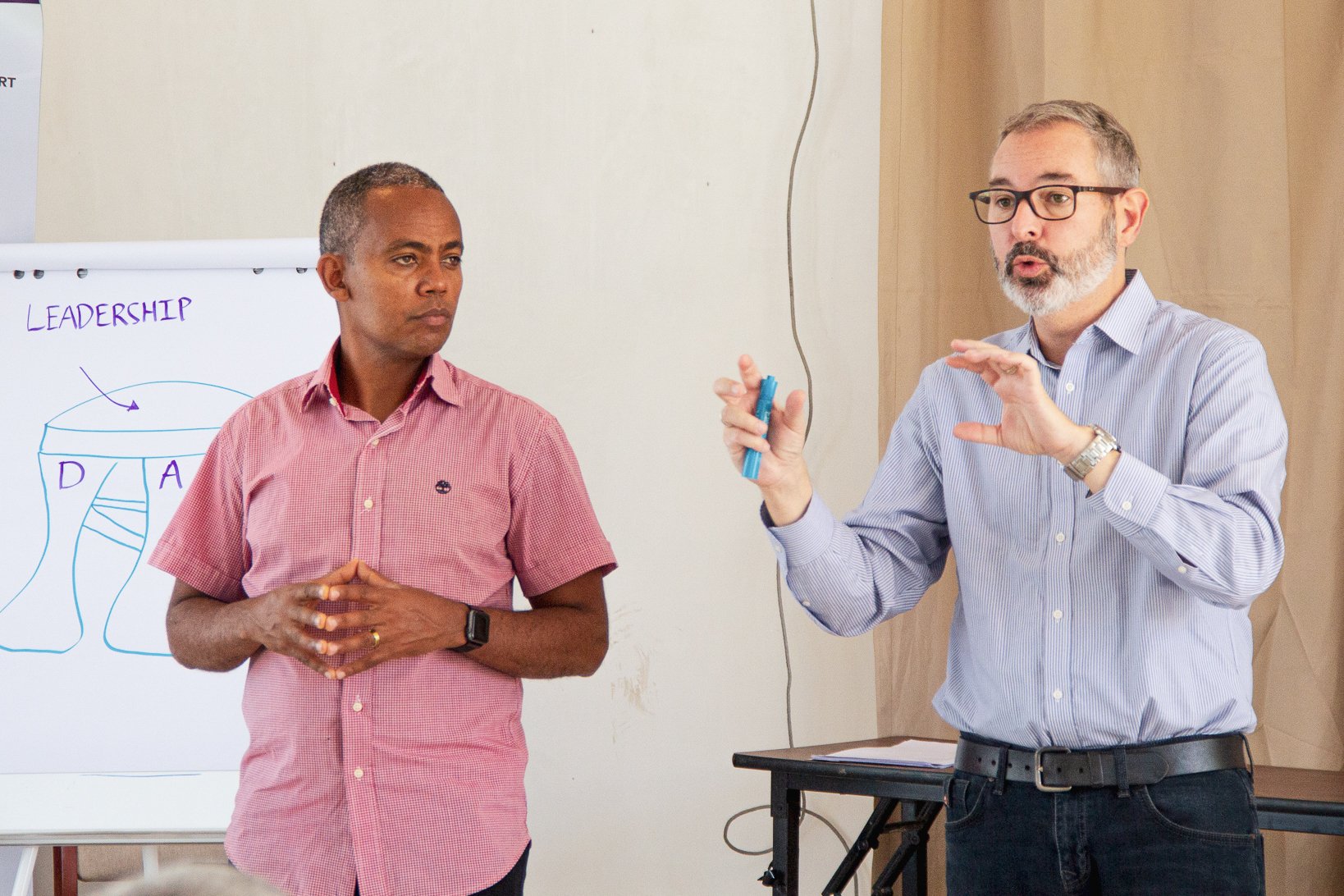
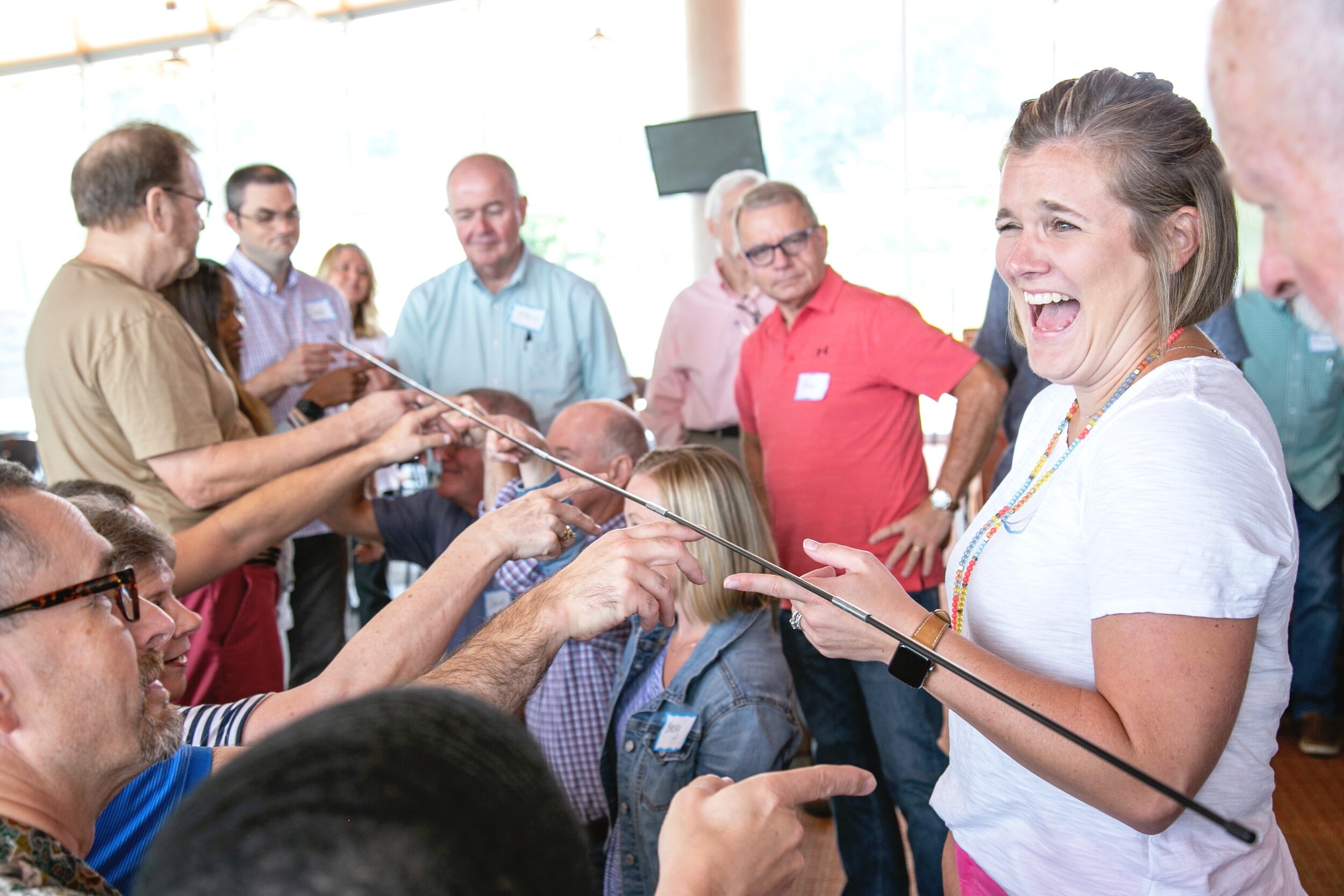
Our certified coaches and expert facilitators design leadership solutions for individuals, groups, organizations, and whole societies.
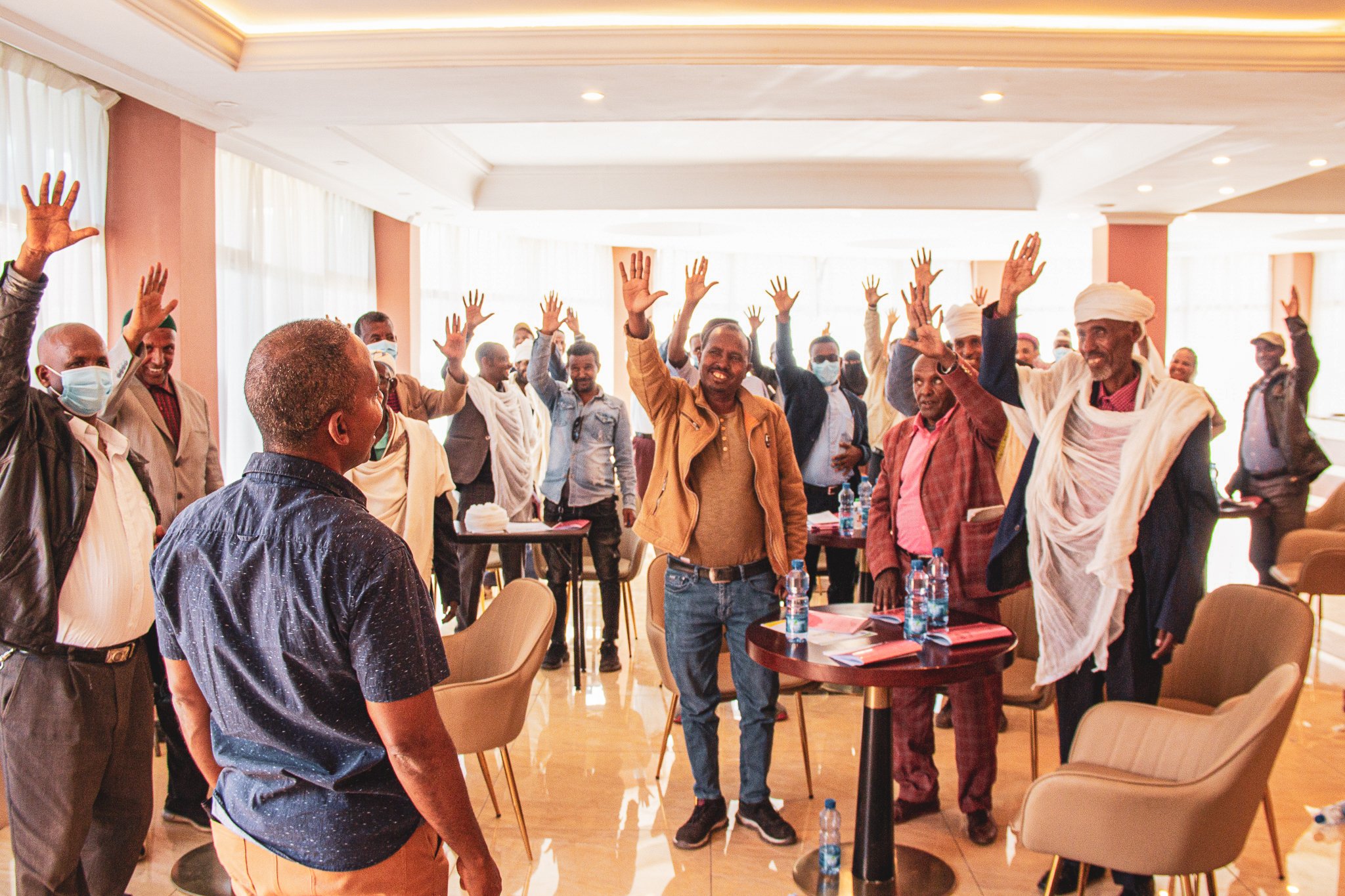
In 2009, founder Steadman Harrison opened a leader development office in an unexpected place: Addis Ababa, Ethiopia. People said it couldn’t grow. Five years and 500,000+ people later, the Leadership Beyond Boundaries movement proved them wrong. That was just the beginning.
We’ve worked with more than 500,000 people in 65+ countries with organizations like these:














"The trainers were kind and capable."
"I am so glad to experienced this!" -Participant
"I'm now feeling a greater sense of belonging and commitment." -NGO leader
"Excellent facilitation, I learned so much from your ability to connect head, heart, and feet."
"The trainers were kind and capable." "I am so glad to experienced this!" -Participant "I'm now feeling a greater sense of belonging and commitment." -NGO leader "Excellent facilitation, I learned so much from your ability to connect head, heart, and feet."
"Obviously, they are in the right industry."
"This is my first experience in a program like this. It taught me a lot about myself and how I am the person and manager that I am..."
"Obviously, they are in the right industry." "This is my first experience in a program like this. It taught me a lot about myself and how I am the person and manager that I am..."